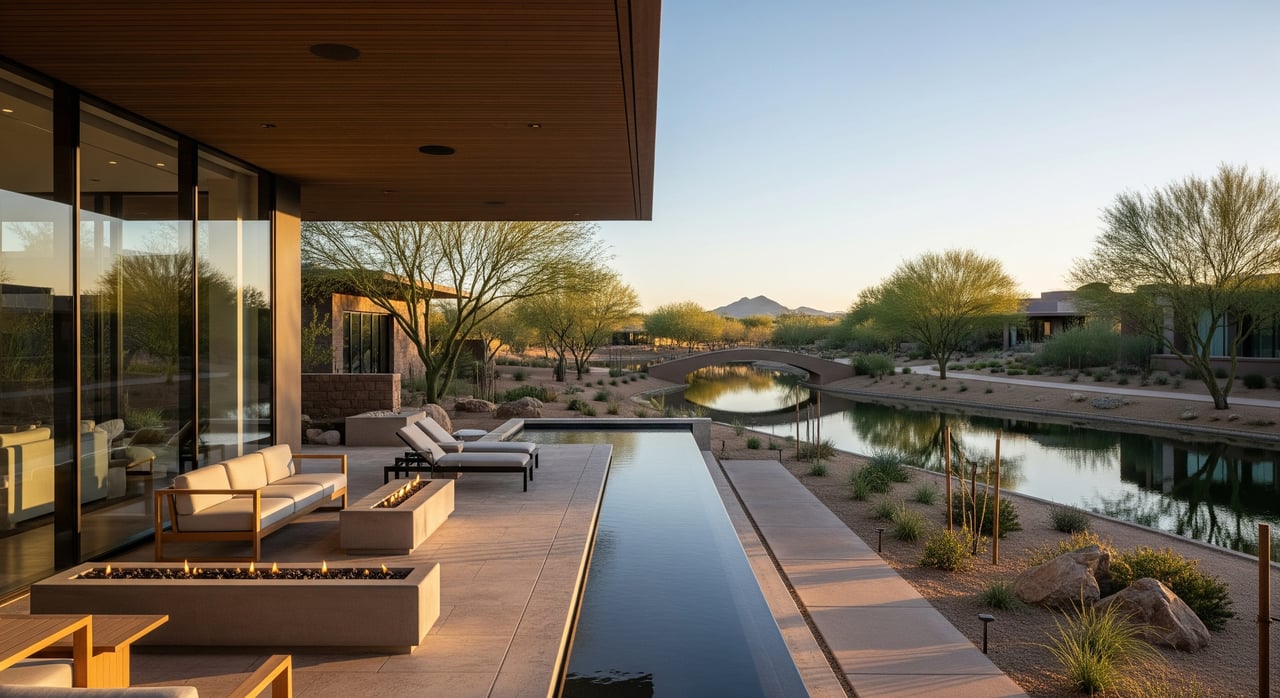
Experience Indian Bend Greenbelt Living in Scottsdale
December 18, 2025
December 18, 2025
Do you picture morning runs on paved trails, sunset bike rides to dinner, and weekend golf just minutes from home? If so, the Indian Bend Greenbelt in central Scottsdale might be your perfect fit. You want an active lifestyle without giving up convenience, and you want clarity on homes, HOAs, and what day-to-day living feels like along the wash. In this guide, you will learn how the Greenbelt works, what it is like to live beside it, and how to evaluate nearby homes with confidence. Let’s dive in.
The Indian Bend Greenbelt is a linear park and trail corridor built within the Indian Bend Wash, a flood-control channel that doubles as public open space. It runs generally east–west through central Scottsdale along and near Indian Bend Road, linking parks, small lakes, playgrounds, and commercial areas. You will find paved multi-use paths, benches, shade structures, pedestrian bridges, and well-kept landscaping. Behind the scenes, stormwater infrastructure like culverts and retention basins is integrated into the green space you enjoy.
Multiple public agencies typically share maintenance and operations. That can include the city’s parks department and the county flood-control district. If you are considering a specific property, it is smart to confirm who maintains the segment closest to you and whether any improvements are planned.
If you value safe, car-free exercise, this corridor shines. The paved multi-use paths are stroller friendly and great for walking, running, or cycling. Many neighborhoods connect directly to the trail with convenient entry points. You can create short loops or longer outings, especially in the cooler fall through spring months.
Central Scottsdale around Indian Bend is dense with golf options, from municipal to private courses. Living here means you can pair daily trail time with easy golf access and club social life. For many buyers, that blend of fitness, fresh air, and recreation is the core draw. It is a lifestyle that works for both year-round residents and seasonal owners.
Pocket parks, playgrounds, and landscaped lakes bring neighbors outside. You may see city-sponsored activities or small seasonal events in nearby parks. Expect a friendly mix of walkers, cyclists, dog owners, and families using the space throughout the week. If you prefer quieter settings, visit at different times to gauge activity levels that fit your preferences.
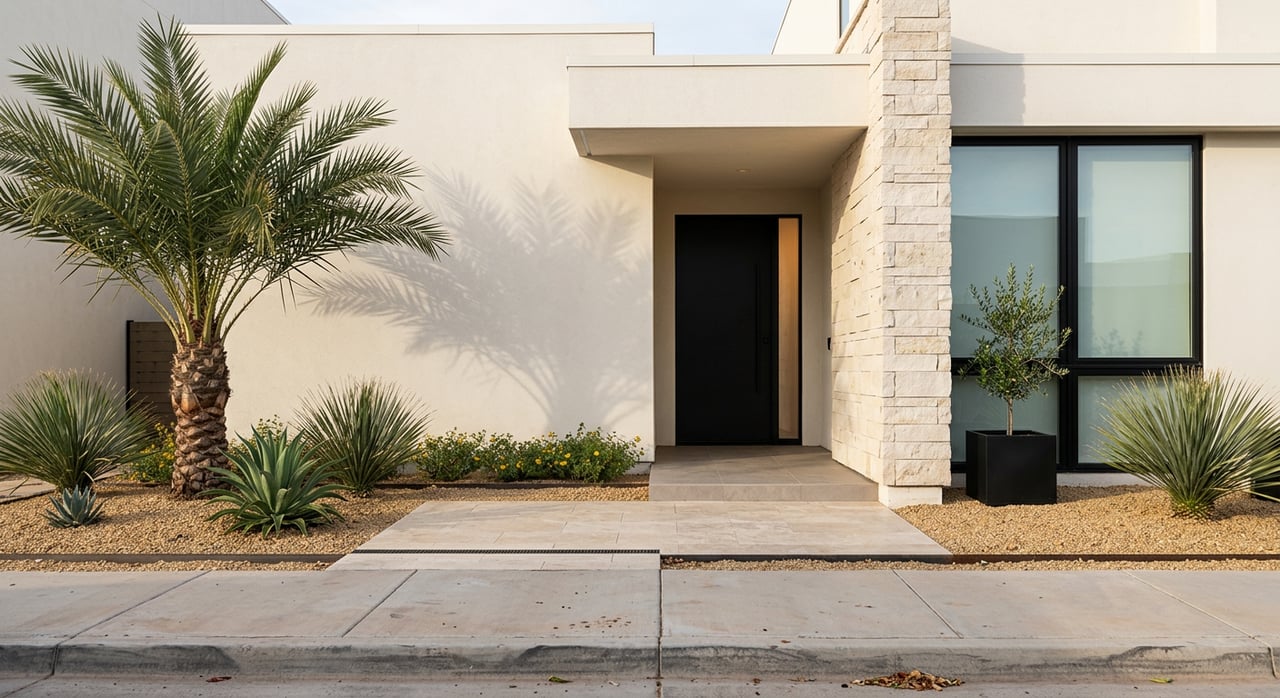
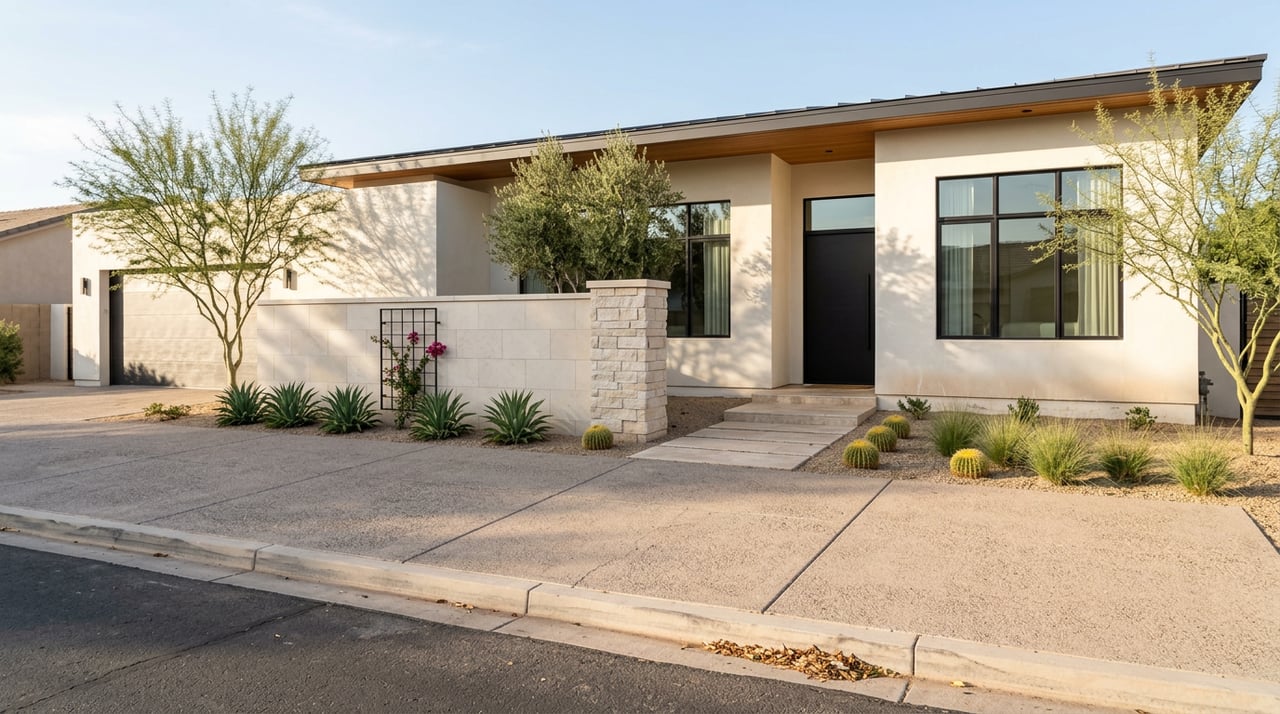
Homes near the Greenbelt range from classic ranch-style houses and mid-century builds to newer infill and remodeled residences. Lots vary from modest footprints in established neighborhoods to larger parcels near golf or country-club enclaves. Many streets were built in phases from the 1970s through the 2000s, so you will see a mix of architectural eras.
You will also find townhome and condo communities with low-maintenance living. Some have private paths or close-by gates that connect to the public trail. If you are buying a lock-and-leave or second home, these options can offer convenience without sacrificing outdoor access.
Homes that front the Greenbelt or have direct access often command a premium for views and convenience. Parcels next to parks or retention basins may include easements, setbacks, or landscape buffers that change how you use the yard. Proximity to golf influences appeal for many buyers and can affect comparable sales. Because the Greenbelt runs through multiple micro-markets, it helps to evaluate comps street by street.
Choose Old Town if you prioritize walkability to dining, galleries, and nightlife. You will find more urban condo and live-work choices. There is less direct golf adjacency than along many Indian Bend segments, so the tradeoff is cultural energy over fairway views.
McCormick Ranch offers a similar central location with lakes, golf, and large parks. It shares the active, outdoor vibe many Greenbelt buyers love. Compare HOA structures, lot sizes, and trail access points to see which feel suits you best.
If you want rugged desert hiking and larger lots, look north toward areas near the McDowell Sonoran Preserve. You will trade some central convenience and linear parkland for mountain scenery and trailheads. It is a different tempo, with more open desert and fewer continuous paved paths.
These areas lean into resort-style living, shopping, and dining clusters. You will see gated communities, club amenities, and easy access to retail. The feel is more resort and commercial node oriented compared to the Greenbelt’s linear parks and lakes.
Many neighborhoods near the Greenbelt have HOA oversight. Common responsibilities can include entry landscaping, irrigation for shared areas, and private common-space upkeep. Design standards may guide fencing, exterior colors, and front-yard landscaping, which can influence how you relate to the public green space. If there is a landscaped buffer between your lot and the trail, confirm who handles irrigation, tree trimming, and hardscape repairs.
The Greenbelt sits within an engineered wash that manages stormwater. Properties along the corridor can include drainage easements or lie within mapped flood areas, depending on the exact location. Flood insurance is generally not required unless a structure sits in a Special Flood Hazard Area, but lenders and insurers set their own rules. Always review FEMA and county flood maps, recorded easements, and any seller reports.
Expect desert and urban wildlife, especially birds around landscaped lakes and basins. Many corridors use drip irrigation, reclaimed water, or city irrigation systems. HOAs may limit certain large trees for visibility or maintenance reasons, so confirm what is allowed. Retention basins are maintained for public health; if you have concerns about standing water, ask about vector control practices and maintenance schedules.
Trailheads and park nodes bring normal foot and bike traffic, and you may hear maintenance equipment or occasional event activity. If privacy matters, study fence types, setback distances, and landscape screening options permitted by the HOA. Visit at different times of day to assess the rhythm that suits you.
You are a short drive from Old Town Scottsdale, shopping and dining at Scottsdale Quarter and Kierland Commons, and a wide range of public and private golf courses. Central Scottsdale locations near Indian Bend typically offer straightforward access to major roads like Scottsdale Road, Shea Boulevard, and the Loop 101, depending on your exact address. That makes trips to Sky Harbor and central Phoenix manageable. Bicycle and pedestrian routes along the Greenbelt can support local errands, but most residents still rely on cars for daily needs.
The Greenbelt runs through central Scottsdale, with many nearby neighborhoods that share 85250 and surrounding ZIP codes. If you saw a reference to “Maricopa,” note that Maricopa is a separate city with different ZIP codes. For home searches and due diligence, focus on the Scottsdale addresses that align with the Indian Bend corridor. Your exact location will shape school options, HOA rules, and commute patterns, so verify details for each property.
If the idea of trails out your back gate and golf around the corner sounds right, let’s explore it together. You will get clear guidance on HOAs, easements, flood maps, and the micro-markets that perform best for your lifestyle and goals. Reach out to schedule a private tour and tailored property list with Stephanie Pisoni.
Get assistance in determining current property value, crafting a competitive offer, writing and negotiating a contract, and much more. Contact me today.